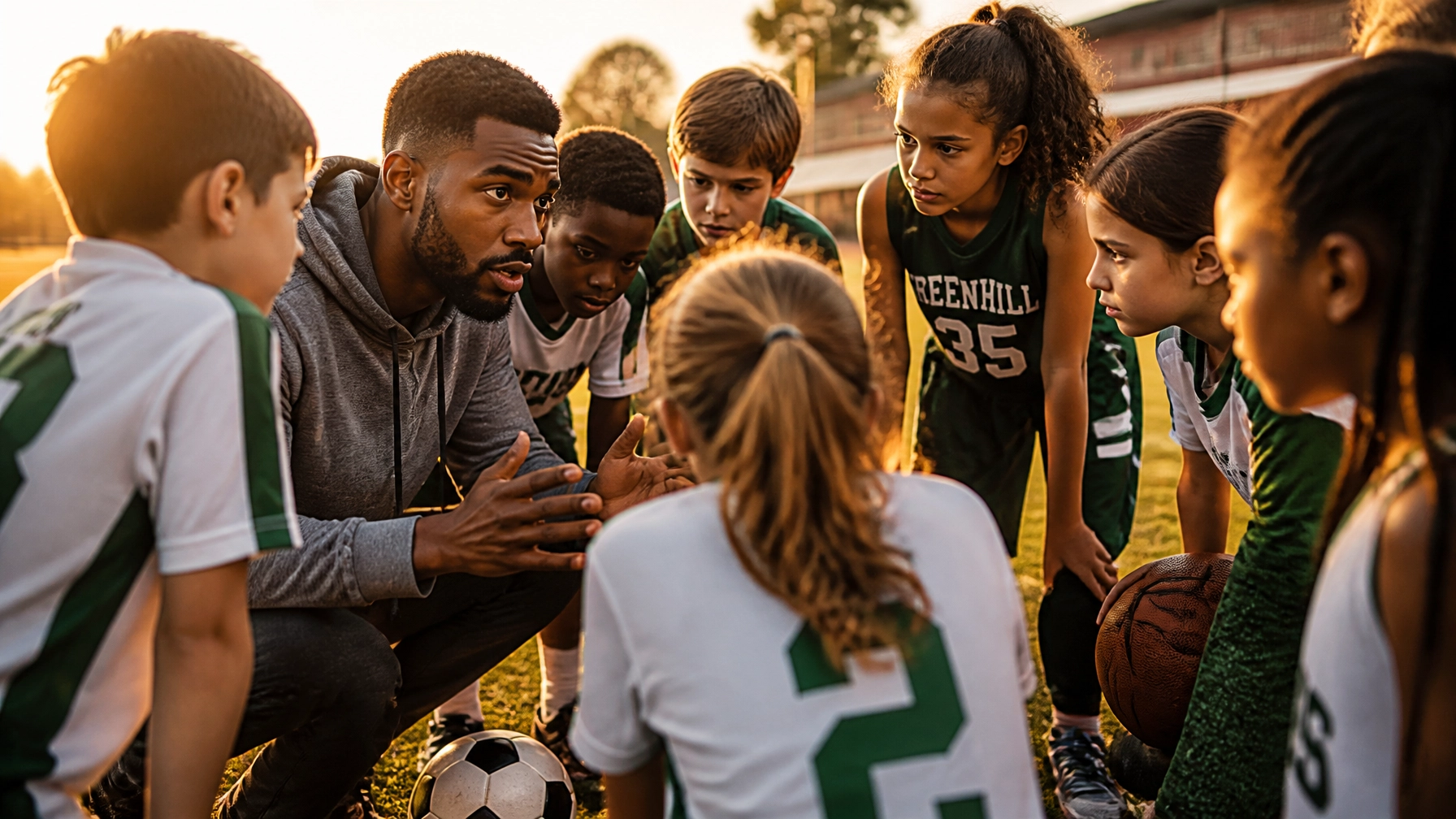


Mentorship is the heartbeat of youth sports. It’s the bridge between a kid who loves to play and a young adult who understands the values of discipline, community, and resilience. But here’s the thing: just because you have a "mentorship program" doesn't mean it's truly inclusive.
At Sports Media Network, we’ve seen how the right guidance can transform a local park league into a powerhouse of cultural impact. Whether it’s the Mamba League reviving Kobe’s mission or the rise of inclusive soccer culture through Football For Her, the magic happens when the mentorship is intentional.
If your program feels like it’s stalling: or worse, if you’re seeing high dropout rates from the very kids you’re trying to reach: you might be falling into these common traps. Here are the 7 mistakes you’re making with inclusive sports mentorship and, more importantly, how to fix them.
1. Treating Inclusion Like a Checkbox Exercise
The biggest mistake many organizations make is treating "inclusion" as a metric rather than a culture. If you’re just looking at the demographics on your roster and patting yourself on the back, you’re missing the point. Inclusion isn't just about who is in the room; it’s about who has a voice once they get there.
The Fix: Move beyond the numbers. Create a culture where different backgrounds are celebrated, not just managed. This means looking at your leadership. Do your mentors reflect the community they serve? Are you highlighting stories like the solidarity found in Play with Pride? Inclusion should be baked into your team’s DNA, from the drills you run to the way you celebrate wins.
2. The "One-Way Street" Trap
Many mentors think their job is to show up and give advice. They talk at the athletes, dumping years of experience onto kids who might not even be in a headspace to hear it. This reinforces a power imbalance that can make marginalized youth feel even more invisible.

The Fix: Shift to a "coaching mindset." Instead of being the one with all the answers, become the one with all the questions. Ask: "What do you think went wrong in that last play?" or "How do you feel when the game gets intense?" By inviting athletes to lead the conversation, you empower them to find their own voice: a skill that will serve them long after they hang up their jersey.
3. Ignoring the Cultural "Vibe" and Community Context
Sports don’t exist in a vacuum. A kid coming to practice in East LA has a different set of cultural influences and challenges than a kid in a suburban private academy. If you ignore the culture behind the game: the music, the neighborhood dynamics, the family expectations: you’re ignoring a huge part of the athlete’s identity.
The Fix: Immerse yourself in the local scene. Whether it’s understanding the cultural movement of Futsal in SoCal or the specific needs of immigrant families, your mentorship needs to be context-aware. Small programs are often the ones making the biggest cultural impact because they actually listen to the community.
4. Matching for Convenience, Not Connection
Let’s be real: most mentorship pairings happen because Coach A is free at the same time as Athlete B. While logistics matter, matching based solely on schedule is a recipe for a lukewarm relationship.
The Fix: Take the time to match based on interests, communication styles, and development needs. Does the athlete need a "push-them-hard" mentor or a "calm-and-steady" presence? Ask the kids what kind of support they actually want. A little bit of intentionality in the pairing stage goes a long way in building trust.
5. Overlooking Hidden Barriers (Accessibility and Cost)
You can have the most inclusive curriculum in the world, but if the practice field is two bus transfers away or the gear costs $300, it’s not inclusive. Accessibility isn't just about ramps (though that’s vital); it’s about the economic and logistical "friction" that keeps kids out of the game.

The Fix: Audit your barriers. Are you providing equipment? Is there a carpool system? For athletes with disabilities, are your drills truly adaptive? Real inclusion means removing the hurdles before the race even starts. Organizations like the WNBA have shown how focusing on community needs creates a more robust and loyal fan and player base.
6. Missing the Family Connection
In many cultures, sports are a family affair. If you’re mentoring a youth athlete but you’ve never spoken to their parents or guardians, you’re missing 80% of the picture. Mentorship that stops at the sidelines is fragile.
The Fix: Build a bridge to the home. Check in with parents not just about schedules, but about the athlete’s growth. Explain the "why" behind your mentorship. When families feel included and respected, they become your biggest allies in the athlete's development. This is especially key when dealing with holistic health and recovery, where the habits formed at home are just as important as the ones on the court.
7. Operating Without a "Feedback Loop"
The final mistake? Assuming everything is going great just because no one is complaining. In inclusive environments, silence doesn't always mean satisfaction; sometimes it means the athletes don't feel safe enough to speak up.

The Fix: Create formal and informal ways for athletes to give feedback. Use anonymous surveys, 1-on-1 "vibe checks," and end-of-season reflections. Ask the tough questions: "Do you feel like you belong here?" and "What’s one thing we could do to make practice more fun for you?" Then: and this is the hard part: actually act on what they tell you.
The Big Picture: Mentorship is a Legacy
At the end of the day, inclusive sports mentorship is about more than just points on a scoreboard. It’s about building a legacy of belonging. When we fix these mistakes, we create environments where every kid: regardless of their background or ability: can see themselves as a champion.

Whether you’re running a small community program or a major league initiative, remember that the game is just the beginning. The real work happens in the huddle, the car ride home, and the moments where a mentor looks an athlete in the eye and says, "I see you, and you belong here."
Ready to level up your program’s impact? Keep following Sports Media Network for more deep dives into the culture, stories, and people shaping the future of the game.